Meal Prep for Busy Athletes: Save Time and Perform Well
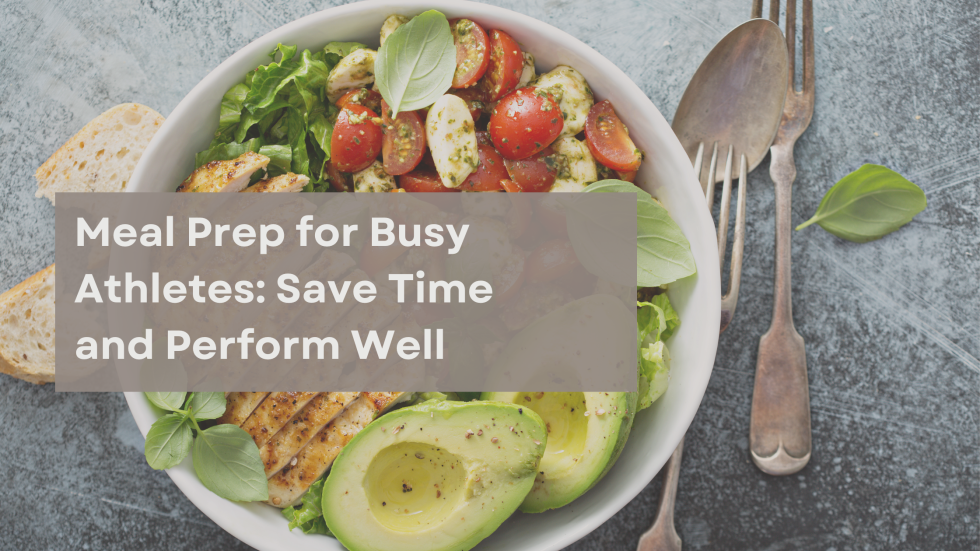
For busy athletes, maintaining a nutritious diet can be a challenge. Between training sessions, work, and personal commitments, finding time to prepare healthy meals often falls by the wayside. Meal prepping is a helpful strategy to ensure you get the nutrients you need without spending hours in the kitchen every day. This guide will provide tips and tricks for preparing nutritious meals in advance, helping you save time and stay aligned with your performance goals.
Planning Your Meals:
Planning is the foundation of successful meal prep. Here’s how to get started:
Set Your Goals: Reflect on your nutritional needs based on your training regimen and personal health goals. Focus on what makes you feel energized and satisfied. Nutrition coaching can help with this part!
Create a Flexible Weekly Menu: Outline your meals for the week, including breakfast, lunch, dinner, and snacks. Aim for variety and balance, incorporating proteins, carbohydrates, fats, and plenty of fruits and vegetables. Remember, you can use leftovers. Typically the less variety and more leftovers, the less pricey and time consuming. Also, those fruits and veggies? Canned and frozen count! For some ideas, check out our meal cheat sheet.
Use a Meal Planner: Utilize meal planning apps or templates to organize your recipes and grocery list, but allow room for spontaneity. There are many to choose from like MealLime or Smart Cooks. You can always make the goal be for planning 2-3 meals for the week, instead of all or nothing.
Grocery Shopping Tips:
A well-organized grocery trip can save you time and money. Follow these tips for efficient shopping:
Make a Detailed List: Write down everything you need based on your plan. Stick to the list to avoid impulse buys.
Shop Smart: Choose versatile ingredients that can be used in multiple recipes, such as chicken, rice, and vegetables.
Buy in Bulk: Purchasing items like grains, beans, and frozen vegetables in bulk can be more cost-effective and reduce shopping trips.
Meal Prep Strategies:
Efficient meal prep requires a bit of strategy. Here are some methods to streamline the process:
Set Aside Time: Dedicate a specific day and time each week for meal prep. Many people find Sundays work well. If you can’t make it a consistent day or time, that’s ok, just schedule it in your planner.
Batch Cooking: Prepare large quantities of proteins (like chicken, beef, or tofu), grains (like rice or quinoa), and vegetables. Store them separately to mix and match throughout the week.
One-Pot Meals: Simplify cooking by making meals that combine all your ingredients in one pot, like stews, casseroles, or sheet pan dinners.
Add-on from Takeout: You can also add on meal prep to pre-made parts of meals. For instance, if you have leftover takeout, incorporate it into your meal prep by adding fresh vegetables, grains, or proteins to create new dishes. This can save time and reduce waste.
Quick and Easy Recipes:
Having a few go-to recipes can make meal prep easier. Build your own library of recipes that taste good and help you feel good! Here are some nutritious and simple options:
Taco Bowl with Rice and Vegetables: Cook some ground beef or turkey, cook rice according to package instructions, and top with your favorite veggies and salsa. You can even thrown 1# of chicken in the crockpot with a jar of salsa to use as the protein source.
Turkey and Veggie Chili: Brown ground turkey in a pot, add canned tomatoes, beans, and chopped vegetables, and simmer with spices for a hearty chili.
Overnight Oats: Mix rolled oats with milk or a milk alternative, add your favorite toppings (like berries, nuts, and honey), and refrigerate overnight. I eat alongside eggs or add protein powder.
Storage Tips:
Proper storage is key to keeping your meals fresh and delicious:
Use Quality Containers: Invest in good-quality, airtight containers that are microwave and dishwasher safe. Glass are my favorite!
Label and Date: Label each container with the meal and date it was prepared to keep track of freshness.
Store Properly: Keep perishable items in the fridge and consider freezing meals you won’t eat within a few days. This is great for growing a stockpile of frozen meals you can pull out and heat when needed!
Making It a Routine:
Consistency is crucial for successful meal prep. Here’s how to make it a habit:
Start Small: If you’re new to meal prepping, start with prepping 1-2 meals a week and gradually increase as you get more comfortable.
Stay Flexible: Adjust your meal plan as needed based on your schedule and preferences. It’s okay to switch things up!
Track Your Progress: Keep a journal or use an app to track your meal prep and reflect on what works and what doesn’t.
ALSO – Meal prep doesn’t need to be in individual servings.
You can pull out food and put together on a plate or bowl right before eating or taking it to work. Don’t let the lack of Insta-worthy aesthetic to keep you from it!
Meal prepping is a powerful tool for busy athletes. By planning your meals, shopping smart, and using efficient prep strategies, you can ensure that you have nourishing, delicious meals ready to fuel your training and daily activities. Start small, stay consistent, and enjoy the benefits of meal prepping in your busy lifestyle.